
Why a Halloween: The Game Loot Map Changes Every Match
Haddonfield is not a static neighborhood. The official IllFonic In-Game Map video confirms that houses, streets, and escape routes are arranged to create dynamic pressure, which means a fixed Halloween: The Game loot map only gets you so far. You need to understand how item drop spots rotate, where weapon spawns cluster, and why police patrol routes force Heroes to move through high-risk sightlines. A reliable route plan turns a scattered scavenger hunt into a repeatable survival sequence, especially when Michael Myers is stalking the same block. Community testing shows that Heroes who memorize at least three fallback loot loops survive significantly longer than players who wander toward the nearest glowing marker. The map rewards spatial awareness and punishes hesitation, so this guide breaks down the practical landmarks, hidden corners, and priority pickups that matter most.
Reading the Haddonfield Layout: Core Zones and Callouts
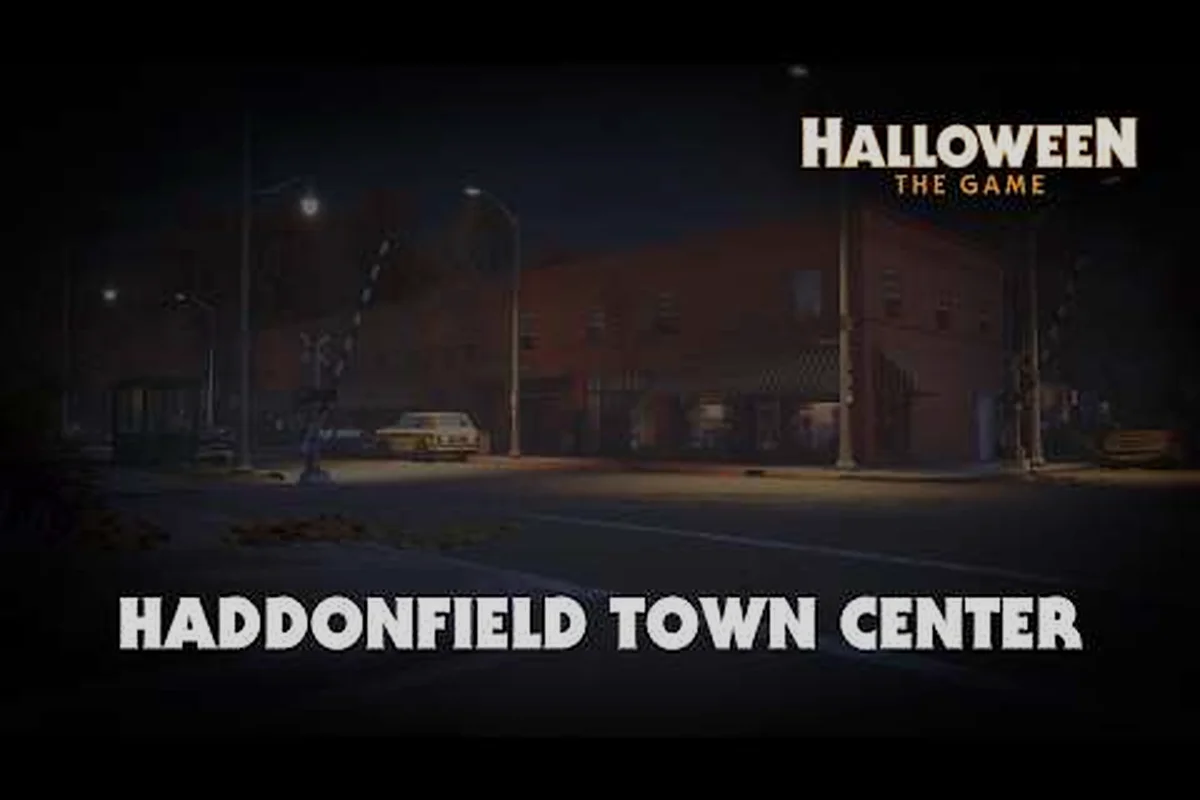
Every successful route starts with zone recognition. The Halloween: The Game map walkthrough community has settled on a loose naming system for the key districts of Haddonfield, and those callouts help you communicate with teammates even when panic sets in. Official footage from the Steam store page shows a suburban grid with residential houses, side streets, and open backyards that create natural chokepoints.
| Zone Name | Common Features | Loot Density | Risk Level | Best Time to Loot |
|---|---|---|---|---|
| Maple Street Row | Two-story houses, front porches, parked cars | High weapon spawns, moderate tools | Medium | Early match, before Michael patrols the sidewalk |
| Lampkin Court | Narrow cul-de-sac, fenced yards, dense hedges | Moderate items, high hiding spots | High | Only when you hear no breathing or chase music |
| Smith Grove Edge | Backyard sheds, tool benches, alley gaps | High utility drops, low weapons | Low | Mid-match, after police cars move toward the main road |
| Haddonfield Park | Open grass, playground equipment, street lamps | Low loot, high visibility | Very High | Avoid unless you need a desperate escape route |
These zones do not have hard borders, but players consistently describe them by the landmarks above. Learning the callouts matters because Heroes can share locations without pinging the full map, and that speed advantage often determines whether a rescue attempt succeeds. According to the official Halloween: The Game website, map knowledge directly influences chase outcomes, which means your internal loot map is a survival tool, not just a convenience.
How Dynamic Map Features Reshape Loot Routes
The map changes between rounds, but not in the way you might expect. Houses remain in the same general positions, yet specific interactive elements shift, including phone locations, police patrol patterns, and the accessibility of certain sheds or basement entrances. This means a Halloween: The Game weapon spawn map that worked perfectly last round may leave you empty-handed the next. Instead of memorizing exact coordinates, you should memorize categories: which building types tend to hold weapons, which outdoor props hide consumables, and which dead ends offer a quick vault or breakable window.
Community reports suggest that weapon spawns are more likely inside kitchens, garages, and upstairs bedrooms, while consumables such as bandages and flashlights appear near bathrooms, closets, and porch steps. Pay attention to the first 30 seconds of a match, because the initial camera sweep often reveals nearby interactable objects before the chase begins.
Priority Loot: Weapon Spawns and High-Value Pickups
A Halloween: The Game loot map is only useful if it ranks what you actually need. Heroes start with very little, so the first weapon you find dictates how aggressively you can move. Michael Myers does not need loot, which means every second you spend searching is a second he spends closing distance. The loot priority below reflects community consensus on what keeps Heroes alive longest.
| Priority | Item Type | Why It Matters | Typical Locations |
|---|---|---|---|
| 1 | Melee weapon (pipe, knife, bat) | Enables stun or defensive swings | Garages, kitchens, basements, tool sheds |
| 2 | Phone or fuse component | Required for escape progression | Living rooms, hall tables, upstairs bedrooms |
| 3 | Healing item | Extends survival after a slash | Bathrooms, medicine cabinets, kitchen counters |
| 4 | Flashlight | Improves navigation in dark houses | Closets, nightstands, porch steps |
| 5 | Throwable distraction | Buys time and redirects Michael | Tool benches, garage shelves, backyard clutter |
Weapon spawns deserve special attention because a stun can save a teammate from a grab. The Halloween: The Game map for beginners often recommends checking garages first, since they frequently contain both a weapon and a hiding spot. However, garages are also predictable, and experienced Michael players often check them early. If you spawn near Lampkin Court, consider looting the second-floor bedrooms before dropping to the garage, because the vertical rotation gives you more escape options.
Phone and Fuse Spawns: The Real Objective Loot
Weapons help you survive, but phones and fuses win the match. The official map footage shows that phone locations are spread across the neighborhood, which prevents one Hero from camping a single escape point. Fuse components may appear in drawers, on counters, or inside fuse boxes attached to house exteriors. Because phone spawns rotate, you should treat every lit window and unlocked front door as a potential objective site.
When you find a fuse, do not immediately sprint to the nearest phone. Michael often patrols between common phone locations, especially in the mid-match. Instead, stash the fuse mentally, grab a weapon if possible, and move toward the phone only when you hear chase music elsewhere or see a teammate drawing attention. The hero guide approach to objective loot is about timing, not just discovery.
Michael Myers Patrol Patterns and Loot Timing
Understanding the killer's movement turns a static Halloween: The Game loot map into a live route plan. Michael Myers does not teleport randomly; he stalks, which means he often lingers near high-traffic zones and known objective points. The Halloween: The Game map Michael Myers perspective reveals that experienced killers patrol the perimeter of loot-dense areas rather than entering every house, because waiting outside a garage or front door is far more efficient than searching room by room.
| Match Phase | Michael's Typical Behavior | Recommended Hero Loot Action |
|---|---|---|
| Opening 60 seconds | Patrols spawn edges, checks garages | Loot interior rooms, avoid obvious outbuildings |
| Early chase | Commits to first detected Hero | Other Heroes loot aggressively, prioritize weapons |
| Mid-match | Rotates between phone and fuse objectives | Loot in pairs or use distractions before entering open zones |
| Late match | Hard camps escape routes or downed Heroes | Skip loot entirely, focus on rescue or final objective push |
This phase-based table explains why a Halloween: The Game map walkthrough must include timing, not just locations. Looting at the wrong moment is worse than not looting at all, because the noise and time cost can hand Michael a free stalk. If you hear the iconic breathing or the chase music suddenly stops, assume Michael has switched targets and reposition before continuing your route.
Using Police Patrols as Loot Cover
Police cars do not stop Michael, but they can slow him down and create noise that masks your movement. According to the official Steam page description, police patrol routes escalate during a match, which means their presence can be used as a moving safe pocket. If a police car is rolling down Maple Street Row, Heroes can often loot the nearby houses more safely because Michael is forced to either avoid the patrol or risk being briefly distracted.
The best players treat police sirens as a timer. When a patrol is close, push into the open; when it leaves, retreat to hiding spots or shift to indoor looting. This rhythm keeps your Halloween: The Game loot map route flexible instead of rigid.
Hidden Corners and Map Secrets Worth Learning
Beyond the obvious spawns, Haddonfield hides small advantages that rarely appear on a basic Halloween: The Game map for beginners. These secrets are not glitches, but rather map design details that reward careful observation and repeated playthroughs. Players who learn them can escape situations that would otherwise end a match.
-
Breakable window vaults on the back side of Maple Street houses let you exit without opening a loud front door.
-
Basement crawl spaces sometimes contain a weapon and a one-way exit that breaks line of sight.
-
Fence gaps behind Lampkin Court allow fast rotation between two dense loot clusters.
-
Parked car trunks occasionally hold throwables, but opening them makes noise.
-
Dark attics are excellent for losing Michael, though they rarely contain useful items.
-
Tool shed side doors can be closed behind you to create a short delay during a chase.
The Halloween: The Game map secrets above matter because Michael players often patrol the obvious paths. Using an alternate exit or a hidden crawl space can reset a chase and give you time to reach the next item drop. The hero co-op guide reinforces this idea, since coordinated teams can call out secret routes that solo players miss.
Route Examples: Two Loops That Work
The first loop, called the Garage Loop, starts at Maple Street Row. Enter the first two-story house, check the kitchen and attached garage, then exit through the backyard fence gap. Move to Smith Grove Edge for tool shed loot, then return through the alley behind Lampkin Court. This loop covers two weapon spawn zones and multiple consumable spots while keeping you near escape options.
The second loop, called the Basement Loop, is riskier but more rewarding. Start at a known basement entrance, clear the interior, then use the crawl space exit to emerge behind a parked car cluster. Loot the car trunks only if no chase music is active, then enter the nearest lit house for phone components. This loop works best when a teammate is drawing Michael to the opposite side of the map, which connects directly to the teamwork principles covered in the hero co-op guide. If Michael is the one doing the chasing, your team should also exploit the map’s lighting, door, and car-spawn timings to force him into long patrols and unsafe corners, all of which are broken down in our Michael Myers map guide as killer.
Frequently Asked Questions
Where is the best Halloween: The Game loot map route for beginners?
Start with the Garage Loop on Maple Street Row. It passes two reliable weapon spawn areas, offers multiple vault exits, and keeps you close to escape objectives. Avoid Lampkin Court early, because Michael players frequently patrol that cul-de-sac. Learn the loop before adding riskier basements or park rotations.
Do weapon spawns change every match in Halloween: The Game?
Yes, specific weapon locations rotate, but building categories stay consistent. Garages, kitchens, and tool sheds reliably hold weapons more often than bathrooms or open park areas. Instead of memorizing exact spots, learn which structures to check first, then adapt based on what you see in the opening camera sweep.
How do I find phones and fuses on the Halloween: The Game map?
Phones and fuses appear inside houses, usually in living rooms, hall tables, upstairs bedrooms, or exterior fuse boxes. Since these spawns rotate, check lit windows and unlocked doors as priority indicators. Do not rush a phone the moment you find a fuse, because Michael often camps objective routes during mid-match.
Can Michael Myers see loot items on the map?
No, Michael does not need loot and does not see item markers. However, experienced Michael players know the same loot-dense zones and will patrol garages, kitchens, and phone areas. Treat every high-value loot spot as a potential ambush point, especially after the opening minute. Move with purpose rather than lingering at a marker.
What should I do if Michael is camping the last phone objective?
Do not approach alone. If you have a throwable, use it to create noise on the opposite side of the house, then enter through a breakable window or basement crawl space. Coordinate with a teammate so one Hero draws the stalk while the other completes the phone interaction. Forcing a split decision often creates the window you need.