
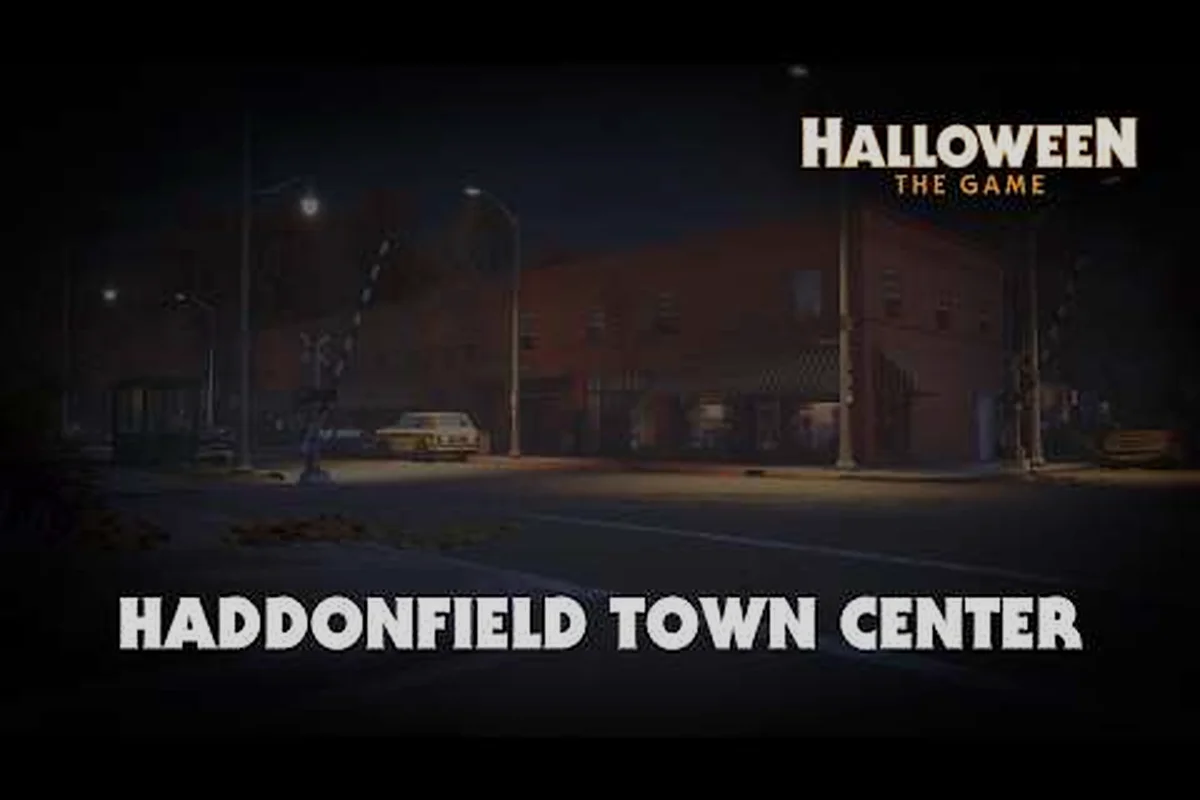
Understanding Halloween: The Game map locations matters because every chase against Michael Myers is decided by how well you read the neighborhood before he does. Haddonfield is not a random collection of houses — it is a dense suburban grid with fixed landmarks, repeated yard layouts, and predictable patrol corridors that either save you or trap you. Whether you are looping the killer through backyards or hunting a lone hero as the Shape, knowing the street flow and escape density in each block determines survival. This guide breaks down the complete Halloween: The Game neighborhood map, police routes, and the callouts top players use. gh backyards or hunting a lone hero as the Shape, knowing the street flow and escape density in each block determines survival. This guide breaks down the complete Halloween: The Game neighborhood map, police routes, and the callouts top players use. For exact building layouts, generator positions, and per-block vantage points that affect those same chases, cross-reference the detailed Halloween The Game Maps breakdown.
Halloween The Game Map Overview and Core Layout
The official Halloween: The Game map centers on a single Haddonfield suburban grid inspired by the 1978 film setting, according to the official Halloween: The Game website. The map is not a flat square but a series of connected residential blocks, each with unique yard zones, fence gaps, and house entry points. IllFonic's In-Game Map video shows a neighborhood that rewards players who memorize street-to-street sightlines and understand where the map funnels movement into dangerous open ground.
The core Halloween: The Game map overview splits into three functional bands: the main road spine, the residential side streets, and the backyard alley network. The main road spine runs through the center of the map and offers the fastest travel between objectives but exposes you to long sightlines that Michael Myers can stalk from a distance. Residential side streets provide denser cover but contain dead ends where heroes can be cornered. The backyard alley network is the real escape infrastructure — it connects houses through broken fences and hedges, allowing heroes to break line of sight and reset chases.
A crucial mechanic tied to Halloween: The Game map locations is the dynamic map feature that alters certain environmental elements during a match, as described on the Steam store page for Halloween: The Game. Streetlights may flicker, fog may roll into certain blocks, and some fences may be destructible only from one direction. This means a route that worked in one match may not work identically in the next, which forces players to combine static map knowledge with real-time environmental awareness.
Haddonfield Neighborhood Map Callout System
The community has developed a callout system for the Halloween: The Game neighborhood map that standardizes communication across random lobbies. These callouts reference fixed landmarks rather than player-specific positions, which lets solo queue players coordinate escapes without voice chat. The most common callouts include the schoolyard fence, the blue house, the corner market, and the long driveway.
| Callout | Map Area | Strategic Meaning |
|---|---|---|
| The schoolyard fence | Northeast side street | Fast vault spot, loops back to main road |
| The blue house | Central residential block | Two-story building with basement exit |
| The corner market | South intersection | Weapon spawn and phone location cluster |
| The long driveway | West side street | High-risk open lane with no side cover |
Using these Halloween: The Game map callouts consistently reduces the time it takes to coordinate a police alert or a group escape. A hero who shouts "blue house basement" gives teammates an exact destination, while vague directions like "over here" waste critical seconds during a patrol sweep.
Halloween The Game Police Routes and Patrol Patterns
Halloween: The Game police routes are the second layer of the map that many new players ignore. Police patrols do not wander randomly — they follow fixed corridors that escalate as the match progresses, as described in the official Steam overview. Understanding where police cruisers appear and which streets they cover changes how you approach objectives, because a patrol route can either be your shield or the thing that boxes you in against Michael Myers.
The police patrol cycle begins on the main road spine and gradually expands into the residential side streets as the match timer advances. Early patrols cover the north and south intersections where most phone locations spawn. Mid-match patrols extend into the east side streets, while late-match patrols sweep the west side street loop where the long driveway sits. This escalation means the safest route in the first three minutes becomes a risk corridor by the final escape phase.
| Match Phase | Patrol Coverage | Hero Risk Level |
|---|---|---|
| Early (0-3 min) | Main road + north/south intersections | Low — wide gaps between cruisers |
| Mid (3-7 min) | East side streets + schoolyard fence | Medium — fewer clean rotations |
| Late (7+ min) | Full grid including west side loop | High — nearly every block has a patrol window |
A key tactic tied to Halloween: The Game patrol routes is patrol shadowing. Heroes can follow a police cruiser from a safe distance to move through open areas without being exposed, because Michael Myers tends to avoid patrol lines when possible. However, shadowing only works if you know the patrol turnaround points, which are the intersections where cruisers stop and reverse direction. The corner market is a common turnaround point in mid-match, while the schoolyard fence marks the end of the east side patrol line.
Police Route Timing and Escalation Triggers
Police patrol routes escalate based on objective completion rather than a strict timer, according to community testing. Completing a phone call objective triggers an immediate patrol expansion into the next side street, while failing a call delays the escalation but increases Michael Myers's stalk window. This means heroes can influence patrol density by choosing when to complete objectives, which adds a strategic layer to the Halloween: The Game map locations.
The patrol route gaps between cruiser passes are the safest movement windows. On the main road spine, the gap between cruisers is roughly 8 to 10 seconds in early match, but that window shrinks to 4 to 6 seconds once late-match escalation kicks in. Heroes who memorize these gap timings can cross open streets without waiting for a full patrol cycle, which speeds up rotations and reduces the time Michael Myers has to close distance.
Haddonfield Escape Guide: Yard Zones and Exit Routes
This Haddonfield escape guide focuses on the yard zones that connect every house on the Halloween: The Game map. Yard zones are the transitional spaces between streets and houses, and they determine whether a chase ends in an escape or a kill. Each yard type has a specific layout pattern that either favors the hero or the killer, depending on which direction you enter it from.
The three yard archetypes on the Halloween: The Game neighborhood map are the open front yard, the fenced side yard, and the enclosed back yard. Open front yards provide no cover but offer fast entry into the house, which makes them good for breaking line of sight when you are close to a door. Fenced side yards contain vaultable fences that heroes can cross quickly but Michael Myers must either destroy or route around. Enclosed back yards are the most dangerous yard type because they often have only one exit point, which creates a natural kill zone if the killer follows you in.
| Yard Type | Cover Level | Hero Advantage | Michael Myers Advantage |
|---|---|---|---|
| Open front yard | None | Fast house entry, quick rotations | Long sightlines for stalking |
| Fenced side yard | Partial | Vault spots, fence loops | Can destroy fences to cut routes |
| Enclosed back yard | High walls | Hiding spots, basement access | Single exit creates a trap |
The strongest escape route in this Haddonfield escape guide is the blue house basement loop. The blue house has a front door on the main road spine and a basement exit that leads into the backyard alley network. A hero can enter through the front yard, drop into the basement, and exit through the back without ever crossing an open street. Michael Myers has to commit to either the front chase or the back cut-off, and guessing wrong gives the hero a full reset.
Weapon and Phone Objective Clusters
Halloween: The Game map locations also determine where weapons and phone objectives appear. Weapon spawns cluster around the corner market, the schoolyard fence, and the long driveway, while phone locations tend to sit inside houses with multiple escape paths. Heroes who memorize these clusters can plan routes that pick up a weapon, reach a phone, and exit without doubling back.
The corner market weapon cluster is the most contested spawn on the map because it sits at the south intersection where two patrol routes cross. Grabbing a weapon there early gives you a defensive tool but exposes you to both police visibility and Michael Myers's stalk lines. The schoolyard fence weapon spawn is safer but farther from the center, which makes it a good fallback if the corner market is too hot.
Halloween The Game Patrol Routes vs Escape Paths: Strategic Comparison
Comparing Halloween: The Game patrol routes with hero escape paths reveals the core tension of the map. Patrols protect heroes by pressuring Michael Myers, but they also restrict movement by cutting off the same streets heroes need to cross. Successful hero teams treat patrols as moving cover rather than fixed obstacles, while unsuccessful teams wait for patrols to clear and lose tempo.
| Factor | Police Patrols | Hero Escape Paths |
|---|---|---|
| Movement speed | Fixed cruiser speed | Sprint + vault, faster over short distance |
| Coverage | Street-level, expanding | Yard-level, full grid access |
| Risk to Michael Myers | High — forces route changes | Low — he can ignore or stalk escapes |
| Risk to heroes | Medium — visibility, no attack | High — open crossings, trap yards |
The west side street loop is the clearest example of this tension. The long driveway offers a fast sprint from the west side into the central blocks, but late-match patrols sweep this loop on a tight schedule. Heroes who time their long driveway sprint to the patrol gap can cross safely, while those who run during a cruiser pass get caught between the police and Michael Myers.
Using Map Callouts to Counter Michael Myers
Map callouts in Halloween: The Game are not just for hero coordination — they also function as a counter-stalk tool. When a hero calls out "Michael at corner market," the rest of the team knows which patrol route to avoid and which yard zones offer the fastest escape from that position. This transforms static map knowledge into live tactical information.
The most effective counter-stalk pattern is the cross-street relay. One hero calls the killer's position, a second hero confirms the nearest patrol route, and a third hero rotates toward an escape objective. Because the Halloween: The Game map locations are fixed, this relay works even in solo queue lobbies where players do not know each other. The callouts themselves carry enough spatial information to coordinate without prior practice.
Halloween The Game Map Callouts: Advanced Positioning Guide
Mastering advanced positioning on the Halloween: The Game map requires understanding the sightline map that exists underneath the street layout. Every block has specific sightline corridors where Michael Myers can stalk without being seen, and these corridors shift based on which yard zones are lit and which streetlights are active. Heroes who learn these corridors can predict where the killer is likely to be, even when he is not visible.
The fog blocks on the Halloween: The Game neighborhood map create temporary sightline reductions that both sides can exploit. A hero running through fog gains visual cover but loses awareness of nearby patrols and the killer's position. Michael Myers gains the ability to close distance without being spotted, but he also risks walking directly into a police cruiser that he cannot see until it is close. These fog dynamics make the east side streets particularly dangerous in mid-match, because fog tends to settle there after the first objective completes.
| Map Element | Hero Use | Michael Myers Use | Counterplay |
|---|---|---|---|
| Fog blocks | Visual cover, escape resets | Silent approach, ambush setup | Stick to yard edges, listen for audio cues |
| Streetlight flicker | Signal that patrol is near | Signal that hero is near | Use flicker timing to time crossings |
| Destructible fences | Create new escape routes | Cut off existing routes | Track which fences are already broken |
The basement network beneath several houses on the Halloween: The Game map adds a vertical layer to positioning. Basements connect to the backyard alley network and allow heroes to move between blocks without appearing on the street level at all. Michael Myers can follow heroes into basements, but the tight corridors and single staircase entries make basement chases risky for the killer, because a hero can vault out through a window while the Shape is still on the stairs.
Late-Game Objective Density Pressure
Late-game map control in Halloween: The Game revolves around objective density rather than pure survival. As patrols expand and Michael Myers grows more aggressive, the map shrinks in practical terms because more streets become risk corridors. Heroes who control the center residential block can rotate to any objective without crossing more than one open street, while heroes pushed to the map edges struggle to reach phones and weapons.
The center residential block is anchored by the blue house and the corner market, which gives it both a basement escape and a weapon cluster. Holding this block requires constant communication about patrol gaps and killer position, because it is the most contested area in mid and late match. Teams that lose center control often get funneled toward the long driveway, where the open lane and late patrols create a near-certain kill zone.
Frequently Asked Questions
What are the most important Halloween: The Game map locations to memorize first?
Start with the blue house, the corner market, the schoolyard fence, and the long driveway. These four landmarks anchor the callout system and appear in nearly every match. Knowing their positions relative to the main road spine lets you orient quickly even when fog or streetlight flicker reduces visibility.
How do police routes change during a match in Halloween: The Game?
Police patrols start on the main road and north/south intersections, then expand into the east side streets after the first objective completes, according to community testing. Late-match patrols sweep the west side loop including the long driveway. Objective completion triggers escalation faster than the timer alone.
Where is the safest escape route on the Haddonfield map?
The blue house basement loop is the safest escape route because it connects a front yard entry to a backyard alley exit without crossing open streets. You can enter through the front door, drop into the basement, and exit out the back while Michael Myers commits to one side or the other.
Do weapon spawns and phone locations have fixed spots in Halloween: The Game?
Yes, but they cluster rather than spawn at exact points. Weapons appear near the corner market, schoolyard fence, and long driveway. Phone locations sit inside houses with multiple exits, which gives heroes a chance to escape after calling. Cluster memorization beats exact spawn memorization.
Can Michael Myers use the same yard zones and fences as heroes?
Michael Myers can move through all yard zones but cannot vault fences the way heroes do. He must either destroy destructible fences or route around them, which costs time. This vaulting asymmetry is why the fenced side yards are the strongest hero loop spots on the Halloween: The Game map.
Mastering Halloween: The Game map locations is the difference between surviving a chase and getting caught in the first block. The Haddonfield neighborhood map rewards players who combine static callout knowledge with dynamic patrol awareness and real-time environmental reads. Whether you are looping the killer through fenced side yards, timing a long driveway sprint to a patrol gap, or holding the center residential block for late-game objectives, every decision traces back to how well you understand the streets, yard zones, and escape infrastructure that define this map.