
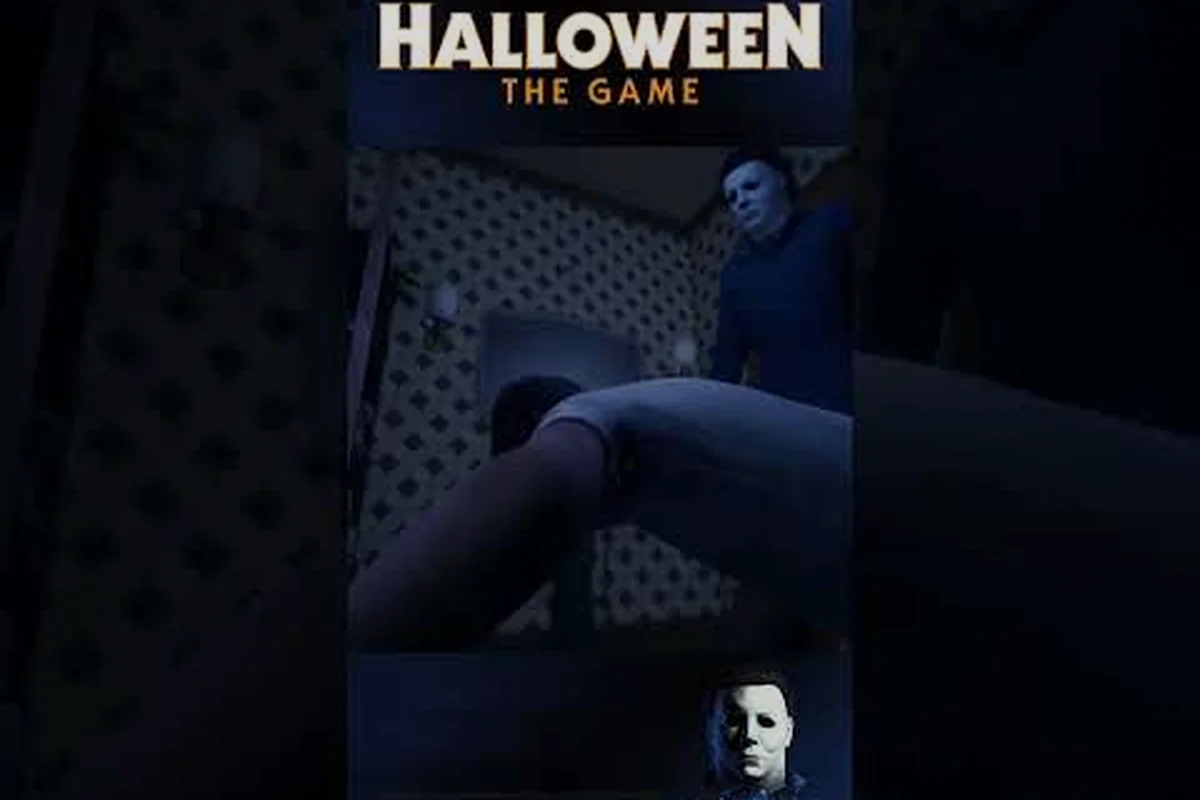
Mastering the Shape's toolkit transforms a sluggish stalker into an unrelenting nightmare, which is why a proper michael myers abilities explained breakdown matters before your first hunt. Michael Myers wins by controlling information, denying escape routes, and converting patience into sudden, brutal pressure. This guide breaks down every core ability, how they chain together, and what separates a competent killer from a terrifying one.
Core Ability Breakdown: Stalk, Shape Slip, and Terrorize
Michael's kit revolves around three interconnected systems that reward positioning and timing over raw aggression. According to the official Steam page for Halloween: The Game, the Shape operates as an unkillable stalker who must manage visibility while hunting residents before Heroes escape. Understanding how these systems feed into each other is the foundation of any successful michael myers killer guide.
| Ability | Function | Best Use Window | Counterplay Risk |
|---|---|---|---|
| Stalk | Builds power while observing Heroes unnoticed | Early match, before first engagement | Revealed by prolonged line-of-sight |
| Shape Slip | Repositions through shadows with reduced visibility | Mid-chase, breaking line-of-sight | Vulnerable during transition frames |
| Terrorize | Applies pressure and forces Hero mistakes | After power threshold reached | Burns accumulated power quickly |
The Stalk mechanic is the engine of Michael's entire game plan. While you remain unseen and maintain visual contact with a Hero, your power meter climbs steadily, unlocking access to your more lethal tools. Community testing consistently shows that early-match patience with Stalk produces dramatically better results than rushing the first Hero you spot, because a powered-up Michael dictates the pace of every subsequent encounter.
How Stalking Builds Power
Stalking requires you to balance proximity against detection risk, which means you need to understand exactly when to close distance and when to hold position. The official IllFonic video "Michael Waits In The Shadows" demonstrates the core loop: observe from cover, wait for the Hero to commit to an objective, then begin your approach only when their escape options narrow.
Power gain from Stalk scales with uninterrupted observation time, not raw distance. A Hero who lingers at a generator or searches a house while you watch from across the street generates more value than a close-range stalk that gets spotted after two seconds. This creates a natural rhythm: position, observe, reposition, observe again. Rushing this cycle is the most common mistake new Michael players make.
Detection and Hunt Tools: Reading the Map Without Being Seen
Michael's michael myers detection guide tools solve the core problem of asymmetrical horror: finding isolated targets without announcing your position to everyone else. The Detection Pulse ability stands out as the most information-dense tool in the kit, and the official IllFonic video for Detection Pulse shows exactly how it functions in practice.
Detection Pulse in Practice
Detection Pulse emits a wave that reveals nearby Hero positions through walls and obstacles, but the value depends entirely on when you activate it. Popping it immediately on spawn wastes the cooldown on information you already have, because Heroes always start in predictable clusters. Saving Detection Pulse for mid-chase moments, when a Hero breaks line-of-sight around a house corner, converts a lost trail into a guaranteed follow-up.
The ability also serves a defensive purpose. If you suspect Heroes are setting up an ambush or coordinating a rescue, a well-timed Detection Pulse exposes the entire setup before you walk into it. This makes it essential for any michael myers hunt guide that emphasizes map control over raw chasing.
| Detection Tool | Information Gained | Cooldown Feel | Key Weakness |
|---|---|---|---|
| Detection Pulse | Hero locations through walls | Moderate, save for chases | Audible/visible cue alerts Heroes |
| Stalk observation | Behavioral info, objective progress | None, passive | Requires line-of-sight |
| Sound cues | Footsteps, generators, rescues | Passive | Easier to mask at range |
The audio layer matters more than most players realize. While Detection Pulse provides hard positional data, Michael's passive sound design reveals plenty on its own: generator progress, barricade placement, and rescue attempts all produce distinct audio signatures. Learning to parse these sounds turns every match into a constant information stream, reducing your reliance on active abilities.
Attack Execution: Grabs, Hooks, and Environmental Kills
The michael myers attack guide portion of the kit is where accumulated power converts into actual elimination pressure. Michael's grab functions as a high-commitment option that pays off when you understand Hero escape cooldowns, because a whiffed grab leaves you briefly vulnerable and burns momentum.
The PvP Grab Timing
The grab mechanic punishes Heroes who rely too heavily on vaults and tight corridors. When a Hero commits to a window vault or a ladder climb, their movement is locked for a short window, which is exactly when the grab connects reliably. Grabbing too early lets them cancel the animation; grabbing too late gives them time to create distance.
Executions like Body Hook and TV Zap serve a dual purpose beyond the kill itself. They broadcast pressure to surviving Heroes through audio and visual cues, which often causes panic decisions like abandoning a rescue or sprinting into a dead end. The psychological component of Michael's kill animations is an underrated part of his overall michael myers terrorize guide strategy.
Environmental Attack Options
Haddonfield's map design creates natural ambush points where environmental kills outpace standard attacks. Narrow alleyways, fenced yards, and interior choke points all reward players who understand how Michael's grab interacts with geometry. Rather than chasing Heroes into open streets where they can loop indefinitely, funnel them toward environmental hazards that shorten the chase.
Michael Myers vs Heroes: Matchup Dynamics and Counterplay
A complete michael myers vs heroes understanding requires recognizing how Hero abilities interact with yours. Heroes in Halloween: The Game gain access to escape tools, rescue mechanics, and coordinated defense options, which means Michael must adapt rather than rely on a single dominant strategy.
The most dangerous Hero teams are those who split objectives while maintaining communication. If three Heroes spread across different houses while one works on rescue, Stalk becomes harder to stack because you can only observe one target at a time. This is where Detection Pulse timing and audio awareness become non-negotiable skills.
| Hero Strategy | Michael Counter | Key Ability Used |
|---|---|---|
| Split objective rush | Prioritize isolated generator Heroes | Stalk for early power |
| Grouped rescue attempts | Bait with partial pressure, then punish | Detection Pulse |
| Looping around houses | Break line-of-sight, reposition through interiors | Shape Slip |
| Aggressive flashlight/stun spam | Maintain distance, wait for cooldown gaps | Terrorize timing |
Shape Slip deserves special attention in the matchup spread. This ability lets you reposition through shadows with reduced visibility, which effectively resets a chase that has gone stale. When a Hero has memorized a loop route and keeps gaining distance, Shape Slip breaks the pattern by letting you appear from an unexpected angle. The official Steam store description references Shape Slip as a core part of Michael's kit, confirming its role in high-level play.
Advanced Terrorize Strategy: Converting Power Into Map Control
The michael myers terrorize guide endgame revolves around understanding that terror is a resource, not just a mood. Every time you force a Hero to abandon an objective, retreat from a rescue, or waste a defensive cooldown, you gain incremental map control that compounds over the match.
Pressure Sequencing
Effective Michael players sequence their pressure so that Heroes never feel safe committing to any single action. A typical cycle looks like this: Stalk a Hero working on a generator until they notice you, force them to flee, then immediately rotate toward a different objective rather than chasing. The abandoned generator stays partially incomplete, the Hero wastes time repositioning, and you maintain map presence without overcommitting.
This approach works because Heroes in Halloween: The Game face a clock. Rescue timers, generator progress, and escape windows all push them toward action, which means every forced delay is a win for Michael even if no elimination occurs. The best michael myers killer guide advice is to value time pressure over kill count, because kills follow naturally from a team that has run out of safe options.
When to Abandon a Chase
Chase discipline separates top-tier Michael players from average ones. If a Hero has reached a strong loop area with multiple vaults and line-of-sight breaks, continuing the chase burns your time without progress. Instead, break off, reposition with Shape Slip, and let the Hero think they escaped. They will return to objectives eventually, often with reduced caution, which is exactly when your next Stalk or grab connects.
This patience-driven approach aligns with how IllFonic designed the character. The Shape is not a sprinting slasher; he is an inevitable force that wins by wearing down options. For a broader view of how Michael fits into the wider roster, the Halloween: The Game characters guide provides context on his unique role among the cast.
Frequently Asked Questions
How does Stalk actually build power for Michael Myers?
Stalk builds power while you maintain uninterrupted visual contact with a Hero who has not detected you. The longer the observation continues without the Hero noticing, the faster your power meter fills. Positioning behind cover or inside shadows extends the observation window significantly.
What is the best way to use Detection Pulse?
Save Detection Pulse for moments when a Hero breaks line-of-sight during a chase or when you suspect a coordinated rescue attempt. Popping it at spawn wastes the cooldown on information you already have, while mid-chase activation converts a lost trail into a guaranteed follow-up opportunity.
Does Shape Slip make Michael completely invisible?
No, Shape Slip reduces visibility and helps you reposition through shadows, but it does not make you fully invisible. Heroes who are actively scanning shadows can still spot the transition, which is why the ability works best when combined with map knowledge and timing rather than used as a panic escape.
What makes the grab attack different from a normal attack?
The grab is a high-commitment option that locks a Hero into an elimination sequence, but it requires precise timing because a whiffed grab leaves Michael vulnerable. The grab connects most reliably when Heroes are locked into animations like vaults, ladder climbs, or objective interactions.
How should I handle a Hero team that splits objectives?
Prioritize isolated Heroes working on generators while using Stalk to build power. Rotate between objectives rather than committing to long chases, and use Detection Pulse to confirm positions before engaging. Forcing Heroes to abandon objectives creates time pressure that compounds across the match.
Michael's true strength emerges when every ability feeds into a single controlling rhythm. Stalk builds the power, Detection Pulse confirms the target, Shape Slip closes the gap, and the grab finishes the sequence. Learning this loop takes practice, but once it clicks, you stop playing as a killer and start playing as the Shape.