
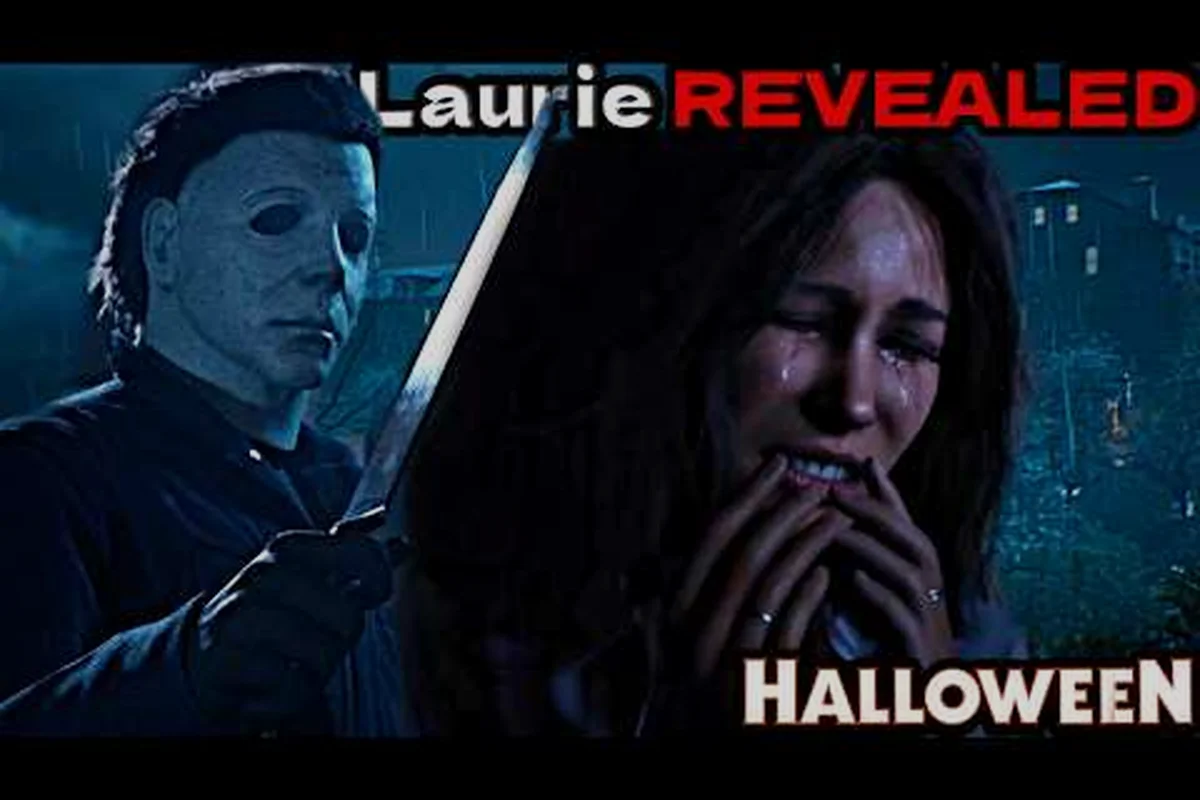
This Halloween: The Game story mode walkthrough part by part covers the opening chapters of The Night He Came Home, the standalone singleplayer campaign told from Michael Myers' perspective. You move through 1978 Haddonfield as The Shape, and each decision shapes which of several endings you unlock. The early chapters establish the stalking loop that carries through the full campaign, so mastering these first locations saves you hours of frustration later. 78 Haddonfield as The Shape, and each decision shapes which of several endings you unlock. The early chapters establish the stalking loop that carries through the full campaign, so mastering these first locations saves you hours of frustration later—and the choices you make here ripple directly into the branching paths detailed in our Halloween The Game Story Mode walkthrough.
How the Story Mode Campaign Is Structured
The Night He Came Home splits its narrative across 14 locations that mirror the 1978 film's geography. You never select a chapter from a menu. Instead, each location flows into the next after you trigger the correct environmental interaction, and the game tracks your progression through a hidden story state system. Community reports from the official IllFonic Q&A stream confirm that the campaign was built as a separate experience from the 1v4 multiplayer sandbox, which means the stealth pacing and item placement differ from the PvP maps.
The story mode how to play loop works in three phases: observation, stalking, and elimination. During observation, you stand still behind cover to charge your Focus Meter, which reveals objective markers and item glints. Stalking drains Focus more slowly but fills your Tension Score, a hidden multiplier that influences which story secrets you can trigger. Elimination resets Tension but locks in the chapter's outcome.
| Story Phase | Core Action | Resource Effect | Key Risk |
|---|---|---|---|
| Observation | Stand behind cover | Focus charges faster | Hero NPCs spot you if exposed |
| Stalking | Follow target silently | Tension Score rises | Noise alerts nearby NPCs |
| Elimination | Execute target | Tension locks, chapter state saved | Blood trail attracts witnesses |
Each chapter contains three collectible categories that feed into the story unlockables system: Mask Fragments, Newspaper Clippings, and Sister Photographs. Mask Fragments appear as white glints near environmental storytelling props. Newspaper Clippings require you to trigger optional interactions, while Sister Photographs only spawn if your Tension Score crosses a threshold before reaching the chapter's midpoint. Missing any collectible in a chapter does not block progression, but it does prevent the True Ending from unlocking.
Reading the Silent Objectives
The campaign deliberately avoids overt quest markers. Instead, the game communicates objectives through Michael's subtle head turn, a soft audio sting, and changes in the ambient wind direction. Because this design can feel opaque during a first run, most players benefit from understanding the silent objective logic before moving through the first location.
The Head Turn Cue is the most reliable signal. When Michael's head drifts toward a window, door, or parked car, that object contains either a collectible or a progression trigger. The Audio Sting plays a low, three-note pulse whenever you enter a zone with a pending story beat. The Wind Shift indicates a new objective zone opening, which matters because some triggers only become interactive after the wind changes.
The First Three Locations: Smith's Grove to Haddonfield
The opening sequence runs from Smith's Grove Sanitarium through the Myers house and into the residential streets. This Halloween: The Game night he came home walkthrough segment teaches you the core loop without tutorial text. The first location, Smith's Grove, is a linear corridor where you cannot fail. Use it to practice the Focus charge timing and learn how far the default walk speed carries you between cover points.
The second location, The Myers House, introduces your first optional collectible and the first story branching point. The house contains two Mask Fragments, one Newspaper Clipping, and a locked interaction with Judith's bedroom door. Approaching the bedroom before picking up the clipping locks the chapter into the Standard Path, while picking up the clipping first opens the Silent Path variant.
| Location | Chapter Number | Collectibles | Branching Trigger | Difficulty Spike |
|---|---|---|---|---|
| Smith's Grove | 1 | 0 | None | None |
| The Myers House | 2 | 2 Fragments, 1 Clipping | Judith's door interaction order | Low |
| Lampkin Lane | 3 | 1 Fragment, 1 Photograph | Lynda's car radio | Medium |
Lampkin Lane is where the campaign tips start to matter. The street is wider than the first two interiors, which means cover density drops and NPC line-of-sight becomes a real threat. The Streetlight Shadows along the sidewalk are the safest movement lanes, but they only exist on the north side of the road. The south side has no shadow coverage until you reach the hedges near the Wallace house, and crossing the street in the open triggers a witness event that lowers your final chapter score.
Lampkin Lane Route Order
The most efficient route through Lampkin Lane follows a specific sequence that preserves your Tension Score while grabbing both collectibles. Community walkthrough data consistently places the Car Radio interaction as the chapter's midpoint trigger, so everything before that point should prioritize Tension building over speed.
-
Step 1: Enter from the Myers house side and immediately move to the first north-side shadow lane.
-
Step 2: Hold observation stance behind the mailbox until the Focus Meter hits 70%.
-
Step 3: Trigger the Newspaper Clipping prompt on the Wallace porch while staying behind the hedge.
-
Step 4: Cross to the south side only after the wind shift audio cue plays.
-
Step 5: Approach Lynda's car from the rear bumper, not the driver door.
Following this order preserves the Silent Path state from the Myers house and unlocks the Sister Photograph spawn near the Wallace mailbox. Missing the clipping before the car interaction permanently locks the photograph for that run, which directly affects the story mode ending you can reach.
Story Secrets and Optional Interactions
The campaign hides more than collectibles. Several optional interactions change dialogue, alter NPC behavior, or unlock hidden chapter variants. These Halloween: The Game story secrets are not marked by any visual indicator, and most players discover them only by experimenting with interaction order.
The Pumpkin Carving interaction on Lampkin Lane is one example. If you interact with the half-carved pumpkin on the Wallace porch before triggering the car radio, the later street sequence plays with reduced NPC patrol density. The game never explains why. Community data suggests this is a reference to the film's opening, but the mechanical benefit is real: fewer patrols means you can move between shadow lanes without waiting for patrol gaps.
| Secret Interaction | Location | Trigger Condition | Effect |
|---|---|---|---|
| Pumpkin Carving | Wallace porch, Lampkin Lane | Interact before car radio | Reduced NPC patrols |
| Judith's Music Box | Myers house attic | Open after bedroom door | Unlocks attic ending flag |
| Clothesline Cut | Backyard of Wallace house | Use knife on clothesline | Drops Sheet Cover item |
| Radio Static | Lynda's car | Interact twice | Reveals hidden chapter marker |
The Clothesline Cut is particularly important for the story unlockables track because it spawns the Sheet Cover, a one-time item that lets you cross one open street segment without triggering a witness event. Since Lampkin Lane has exactly one high-risk street crossing, saving the Sheet Cover for that moment preserves your Tension Score and keeps the chapter's ending flag active.
The Attic Ending Flag
The Myers house attic holds a hidden interaction that many first-time players miss entirely. After you open Judith's bedroom door, return to the second-floor hallway and interact with the pull-down attic ladder. The ladder only becomes interactive if you picked up both Mask Fragments earlier in the chapter.
Inside the attic, the Music Box interaction plays a short sequence that sets an internal flag for the Attic Ending. This ending variant changes the final confrontation scene, and it requires the flag to be set in this chapter. If you miss it, the Attic Ending becomes unavailable for the rest of the run, even if you collect every other item later.
Collectible Checklist for Part One
Part one spans the first three chapters and contains seven total collectibles. The Halloween: The Game story unlockables system tracks these across runs, which means you can replay chapters to grab missed items without restarting the entire campaign. However, the ending flags are run-specific, so a replay for collectibles does not retroactively unlock an ending variant.
| Collectible | Chapter | Location | Requirement |
|---|---|---|---|
| Mask Fragment A | Myers House | Kitchen drawer | None |
| Mask Fragment B | Myers House | Under Judith's bed | Silent Path active |
| Newspaper Clipping 1 | Myers House | Living room table | Before bedroom door |
| Mask Fragment C | Lampkin Lane | Wallace porch | None |
| Sister Photograph 1 | Lampkin Lane | Wallace mailbox | Tension above 40% |
| Sheet Cover | Lampkin Lane | Backyard clothesline | Knife interaction |
| Newspaper Clipping 2 | Lampkin Lane | Lynda's car | After radio static |
The Silent Path requirement on Mask Fragment B is a common miss. Because the fragment only spawns under Judith's bed when you pick up the living room clipping first, players who rush to the bedroom door lock themselves out of that fragment for the chapter. The game does not warn you, and the fragment does not appear on later replays unless you reset the chapter state.
Replaying Chapters for Missing Items
Chapter replay in The Night He Came Home works differently from a mission select screen. To replay a chapter, you must start from the beginning of the campaign and reach that chapter again. The game saves collectibles permanently, so you can sprint through early chapters without re-grabbing items you already have.
This design choice matters for the Halloween: The Game story mode ending system. Because ending flags are per-run, you need a full run with all required flags active to see a specific ending. Replaying only the final chapter is not an option, so planning your collectible route from the start is the most efficient approach.
Frequently Asked Questions
How long is part one of the Halloween: The Game story mode?
Part one, covering Smith's Grove through Lampkin Lane, takes roughly 40 to 60 minutes on a first run. A second run with route knowledge drops to around 20 minutes because you can skip already-collected items and focus on ending flags and Tension preservation.
Does the Silent Path change the ending of the campaign?
Yes. The Silent Path influences which ending variants remain available by altering the Tension threshold required for later chapter triggers. While it does not lock you into a single ending, missing the Silent Path in the Myers house closes off the Attic Ending and one mid-campaign variant.
What happens if an NPC witnesses Michael in story mode?
A witness event lowers your chapter score and reduces your Tension Score by a flat 15%. It does not fail the chapter, but repeated witnesses in the same chapter can push your ending availability below the threshold for advanced variants, so avoiding open street crossings matters for the story mode ending you want.
Can I unlock all story secrets in one run?
You can unlock most collectibles and the True Ending in a single run if you follow the interaction order in this Halloween: The Game story mode walkthrough part by part. However, some ending variants are mutually exclusive because they depend on choices that cannot both be active in the same run.
Does the Sheet Cover item carry over to later chapters?
No, the Sheet Cover is a one-time item that expires after a single use. It only exists to mitigate the one high-risk street crossing in Lampkin Lane, so using it anywhere else wastes the item and leaves you exposed during the crossing.